What is space tourism?
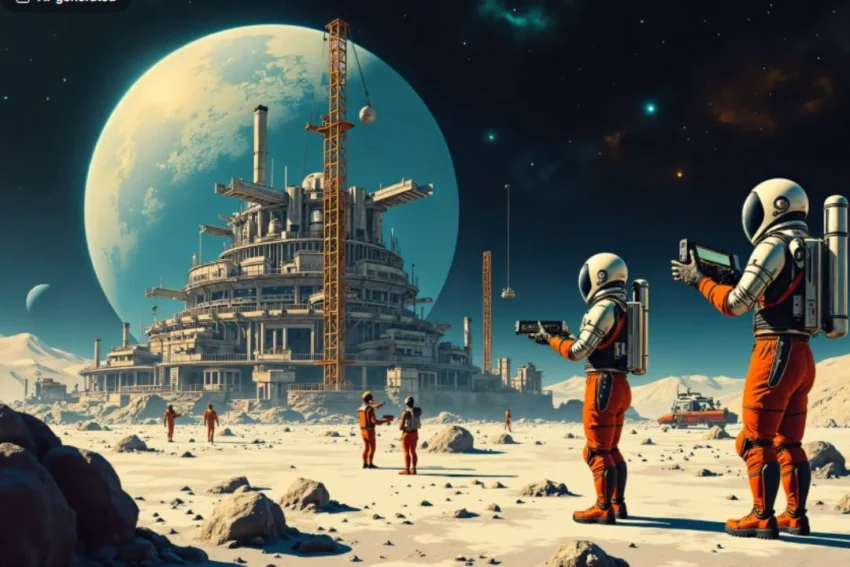
Humans have always been fascinated by the vastness of the sky. Our ancestors, looking at the stars and moon shining in the dark night sky, thought about the vastness and complexity of the universe. Space tourism, which can be called space tourism in English,It is a journey in which ordinary people go beyond the Earth to travel to space. It is different from traditional tourism because it is not limited to the boundaries of the Earth but takes humans beyond the Earth’s atmosphere and into the boundaries of space.
Space tourism is not just about entertainment, it is also a means of scientific research, technological advancement, and human inspiration. This journey into space gives people a new perspective on the beauty of Earth and helps them understand how small a place humans occupy in the universe.
Historical background of space tourism
The concept of space tourism has only become a reality in recent decades, but its roots go back centuries. The human imagination has always dreamed of space travel. Ancient people found their place in the stories of the stars and planets and thought that one day humans would travel beyond Earth.
Human spaceflight began in the 1960s, when Russia and the United States began sending humans into space during the Space Race. Yuri Gagarin, Neil Armstrong, and other astronauts are examples. All of these missions were designed to demonstrate the importance of space travel to the public, and some of them laid the foundation for the dream of future space tourism.
The concept became more realistic in the 1980s and 1990s. In 1984, Janet Allen and Dennis Tracy took to space for the first public human space tourism experiments. Since then, various private companies have begun to develop plans for space tourism, and the idea has become more accessible to the general public.
Human exploration and space exploration
Human nature involves exploration and the search for new places. Space tourism is a modern expression of this human desire. Transcending the boundaries of Earth and reaching the limits of space is not only a technical challenge, but also a test of human determination and imagination.
Space tourism gives man a new awareness of his Earth. Being in space, man sees the Earth as a global and unified unit. This experience is not only inspiring on a personal level, but it also helps to protect humanity and increase environmental awareness.
Current status of space tourism
Existing companies and their missions
Space tourism has recently emerged as a real and viable industry, with several private companies offering their services. The most well-known of these are SpaceX, Blue Origin, and Virgin Galactic. These companies are making space tourism possible for the general public in various ways.
SpaceX
SpaceX is Elon Musk’s company, which initially became famous for its space rockets and satellite launches. Now SpaceX is also developing advanced rockets for space tourism. Through their Crew Dragon program, ordinary citizens can also go to space. SpaceX has carried out several missions carrying humans into orbit, including entrepreneurs, scientists, and ordinary citizens.
Blue Origin
Blue Origin is Jeff Bezos’ company that provides suborbital space flights using the New Shepard rocket. Its goal is not just space tourism, but also to make space travel safe and accessible to the general public. With New Shepard, passengers can go into space for a short time and experience freedom from gravity.
Virgin Galactic
Richard Branson’s Virgin Galactic brought suborbital space tourism to the masses with SpaceShipTwo. The highlight of Virgin Galactic is that its experience is extremely comfortable and fun, allowing passengers to see the beauty of space from above the Earth.
Space travel experiments
- During space tourism, travelers have several unique experiences:
- Zero Gravity: Upon reaching space, travelers float without gravity, which is an indescribable and amazing experience.
- View of the Earth: The Earth is seen as a complete global view from space, which increases people’s awareness of the Earth’s environmental protection.
- Spacecraft Technology Experience: Passengers can see the practical aspects of space technology while traveling in modern spacecraft.
- The number of passengers is still limited because each flight costs millions of dollars, but this price is expected to decrease in the coming years, allowing more people to travel to space.
The popularity of space tourism
Recently, space tourism has gained popularity around the world. The publicity of its experiences in the media and the interest of the general public have given this industry a new identity. Videos, photos of travelers on social media, and their experiences inspire people and make them dream of space travel too.
Space tourism technology
Rocket technology
Space tourism is based on modern rocket technology. To travel from Earth to space, extremely powerful and safe rockets are required. Modern rockets are reusable, meaning they can be used multiple times, which helps reduce the cost of space tourism.
SpaceX’s Falcon and Starship
- The Falcon 9 rocket can be launched and landed multiple times.
- Starship is designed for future space tourism, capable of carrying multiple passengers into orbit.
- The rocket uses advanced navigation systems and automated landing technology.
Blue Origin’s New Shepard
- All of this is designed for orbital flights.
- New Shepard takes passengers to the edge of space and provides a few minutes of zero gravity experience.
- The rocket and capsule land separately to allow for reuse.
Virgin Galactic’s SpaceShipTwo
- It is a winged space vehicle that is launched into the air from a large carrier ship and then carried into space by a rocket.
- This method uses less energy than traditional rockets and provides a comfortable experience for passengers.
Space vehicles and their characteristics
Space tourism involves not only rockets but also advanced space vehicles. These vehicles are designed to provide passengers with safety, comfort, and the best possible experience.
Passenger Capsule:
- Comfortable seats and large windows to see the view of space.
- Life support systems, oxygen and temperature control.
- Modern emergency systems that provide immediate safety in case of any danger.
New Age Technologies:
- Smart navigation and automatic flight control.
- Recyclable parts for concentrated energy savings.
- Clean energy engines to reduce environmental impact.
Benefits of space tourism
Supporting scientific research
The biggest advantage of space tourism is that it provides new opportunities for scientific research. Going into space can provide better information about the Earth’s ecosystem, the mysteries of the universe, and the effects of space on the human body.
Earth and environmental research:
By observing the Earth from space, scientists can better analyze global warming, climate change, and natural disasters.
Effects on the human body:
Understanding the changes that occur in the human body in the absence of gravity in space, such as bone weakness and muscle loss, can help prepare for long space missions.
Technological development:
Technologies developed for space tourism, such as advanced rockets and life support systems, also prove beneficial in other fields of science and engineering.
Economic opportunities
Space tourism is creating economic development opportunities around the world as a new industry.
Jobs and Investment:
The space industry is creating thousands of jobs for scientists, engineers, technicians, and management staff.Private sector developmen
Future passenger revenue:
As space travel becomes more common, passenger revenue will increase, increasing economic benefits.
Space tourism is an extraordinary educational and inspirational resource for people, especially young people.
- Space tourism is an extraordinary educational and inspirational resource for people, especially young people.
- Educational opportunities:
Space tourism fosters interest in the fields of science, technology, engineering, and mathematics (STEM). - Inspiration and imagination:
Space travel fosters curiosity, imagination, and exploration in people. - Awareness of human unity:
- By viewing the Earth from space, people better understand its beauty and limited resources, which increases environmental awareness and human unity.
Tourist Experience and Entertainment
Space tourism not only provides scientific or economic benefits but also provides a rare entertainment experience for people.
- Gravity Free:
Travelers experience floating free from gravity for a few minutes, which is an indescribable joy. - Views of Earth and Space:
One is amazed by the beauty of the Earth and the proximity of the stars from space. - Memorable experience:
This experience is remembered for a lifetime and creates a new motivation and purpose in people’s lives.
Challenges of space tourism
Financial cost
- The biggest obstacle to space tourism is its prohibitive cost.
- A typical space flight costs millions of dollars, making it affordable only for the wealthy.
- The cost is greatly increased by the manufacturing of the rocket, fuel, spacecraft, life support systems, and safety measures.
- Due to this high cost, space tourism is not yet widely available to the public.
- Reusable technology is expected to bring the cost down in the future, but this is currently a major challenge.
Security risks
- Space travel always poses risks to human life.
- There is a possibility of accidents during rocket launches and landings.
- The risks are increased by the temperature, radiation, and collisions with micromaterials in space.
- The physical condition of passengers, such as heart or other diseases, can cause problems during space travel.
- Companies are working on security protocols, but complete zero risk is not possible.
FAQs: Frequently Asked Questions about Space Tourism
What is space tourism?
Space tourism is a type of travel in which ordinary people go beyond Earth and experience space. It involves travel in Earth’s orbit or suborbital (Earth’s upper atmosphere) levels.
Which companies are active in space tourism?
The most famous companies in the world are SpaceX, Blue Origin, and Virgin Galactic, which are taking people to space using various technologies.
How much does a flight cost?
A space trip costs millions of dollars, which is currently only available to the wealthy. In the future, the cost is expected to decrease thanks to technology and reusable rockets.
Is space tourism safe?
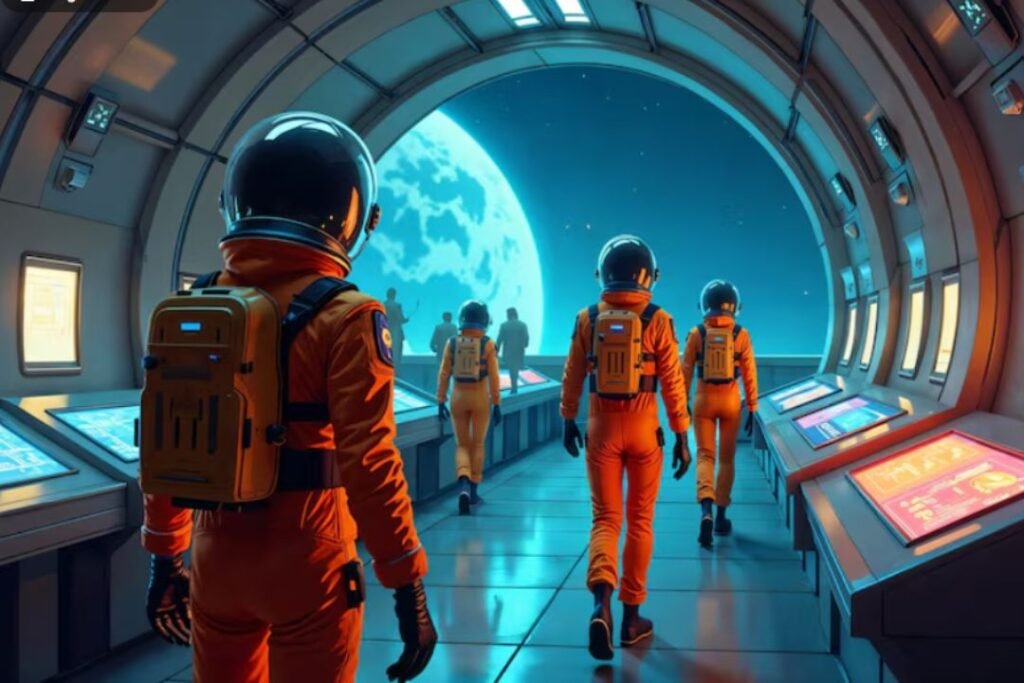
Space tourism is relatively safe, but it is not completely risk-free. There are launch and landing, radiation, and other technical risks, which companies are trying to mitigate through safety protocols.
(Conclusion)
Space tourism is a reflection of human exploration, discovery, and dreams of the future. It not only provides opportunities for scientific research and economic development, but also provides unique recreational experiences and educational stimulation. Although financial, safety, and environmental challenges remain, with technological advancements, space tourism is moving towards a safer, more common, and more exciting future.