
Introduction to Zero Trust Architecture
In today’s digital era, security has become the most important requirement for every organization. Traditional security models often rely on internal users of the network, which increases the risk of insider threats and cyber attacks. Zero Trust Architecture was introduced to solve this problem.
The basic principle of Zero Trust Architecture is to not trust anyone without reason, whether inside or outside the network. Every user, device, and application is fully authenticated and only necessary access is granted. Thanks to this model, organizations can not only protect their sensitive data, but also quickly identify any suspicious activity taking place in the network.
What is Zero Trust Architecture?
Zero Trust Architecture is a modern security model that adopts the principle that no user or device should be trusted without reason, whether inside or outside your network. The main goal of this model is to verify each access request and grant only as much permission as is necessary.
Features of Zero Trust Architecture
“Never Trust, Always Verify”
In a zero-trust architecture, no user or device is trusted in advance. Every request must be authenticated.
Least Privilege Access
Users and devices are granted only the access they need to do their job, preventing unauthorized access.
Continuous Monitoring and Auditing
Network activity is constantly monitored so that any suspicious activity can be identified immediately.
Mechanical and digital authentication (Multi-Factor Authentication)
It does not rely solely on username and password, but uses additional authentication factors.
Benefits of Zero Trust Architecture
- Increased security: Every access is authenticated, reducing the risk of hacking.
- Data protection: Sensitive data is restricted to authorized users only.
- Protection from internal and external threats: No one is trusted even within the network, which also reduces internal threats.
Benefits
What are the biggest benefits of Zero Trust Architecture?
Zero Trust Architecture places no one in the network without trust, reducing the risk of internal and external attacks. Each user and device is authenticated and only granted necessary access. This keeps sensitive data safe, strengthens security, and helps protect the organization from hacking or unauthorized access.
How does it protect data?
Each user and device has limited and constantly monitored access. Sensitive files and data can only be accessed by those who have been granted permission. This principle is called “Least Privilege Access” and greatly reduces the risk of data leaks or hacking.
How is security increased?
Since every request must be authenticated, any suspicious activity in the network is immediately identified. This thwarts attacks by hackers and malware and strengthens the security infrastructure.
How does it protect against internal threats?
Zero Trust Architecture not only mitigates external but also internal threats. Every user and device is constantly monitored, allowing their misuse or malicious actions to be caught immediately.
Impact on network integrity?
Since every access is authenticated, unauthorized changes to the network or the installation of malicious software becomes difficult. This ensures the complete integrity of the network.
How does it restrict access?
Zero Trust Architecture adopts the principle of “Least Privilege Access,” meaning that users and devices are granted only the access they need to perform their tasks. This eliminates the risk of unauthorized access.
Benefits of implementing a security policy?
Organizations can easily enforce their security policies, as every access is controlled and monitored. This improves both security and control.
How does it reduce the risks of hacking?
Constant monitoring and verification of every access makes it difficult for hackers to enter the network and steal data. This reduces the chances of cyber attacks.
Harms
What are the disadvantages of Zero Trust Architecture?
Implementing a zero-trust architecture can be expensive and complex. It requires constant monitoring of every user and device, monitoring tools, and additional authentication steps, which can be difficult and expensive for smaller organizations.
Why is it difficult to implement?
Detailed identification and access control of each network component is required. This is time-consuming and requires technical expertise, which makes it difficult for some organizations to implement.
Problems for users?
Authentication is required for every access, which exposes users to additional login and security checks. This can sometimes affect performance and user experience.
Cost increases?
Modern tools, security systems, and constant monitoring add to the cost of the organization. This can be a major challenge for organizations with small or limited budgets.
Network complexity?
Access and monitoring steps for each user, device, and application make the network complex, which can be difficult to manage and maintain.
System slowness?
Additional verification steps and constant monitoring can sometimes slow down the network or system, leading to a slower experience for users.
Need training?
: It is important to train the organization’s staff in the use of new security principles and tools, otherwise there is a risk of misuse and failure.
Not suitable for every situation?
Zero Trust Architecture may not be suitable for every type of organization. It may be more expensive and unnecessary for organizations with smaller or less complex networks.
Zero Trust Architecture FAQs
What is Zero Trust Architecture?
Zero Trust Architecture is a modern security model that does not trust anyone without reason. Traditional security models trust only users inside the network, but in the Zero Trust model, every user, device, and application is fully authenticated. In this model, every access is limited and constantly monitored, ensuring the security of sensitive data, protection from hacking, and network integrity.
Why is Zero Trust Architecture important?
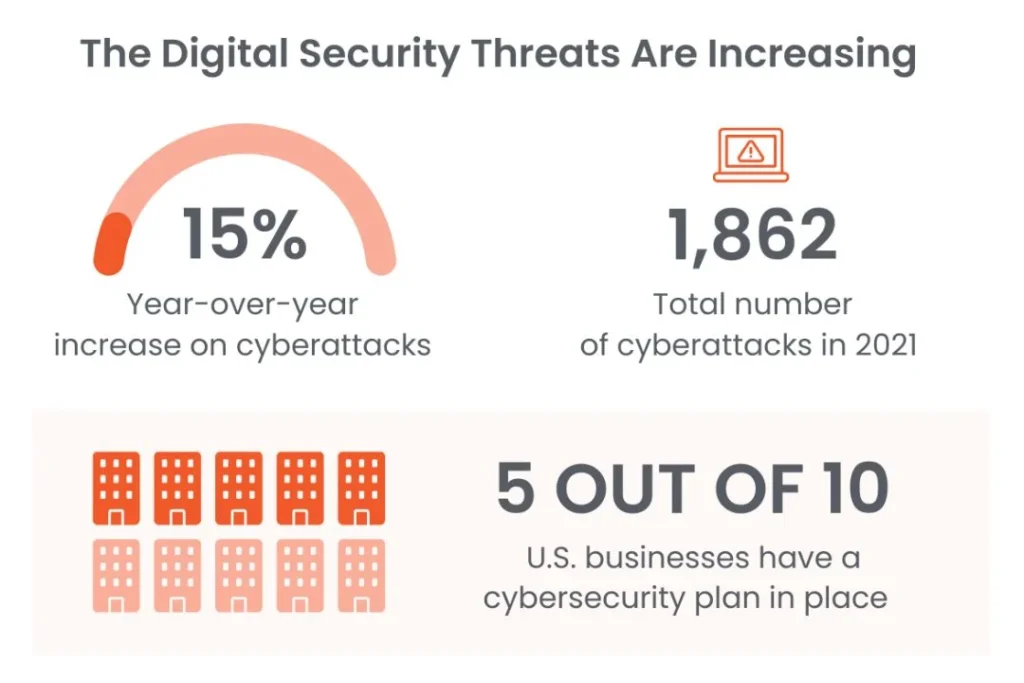
Cyber threats have increased dramatically in today’s digital era. Traditional models fail to protect against internal and external attacks. Zero Trust Architecture is the solution to this problem because it does not trust anyone without reason, does not grant every access without verification, and monitors every activity. It protects organizations from hacking, data leaks, and suspicious activities in the network.
How does this model work?
In the Zero Trust model, every user and device is identified and every request is authenticated. Access is restricted, with only those users and devices that have been authorized to access the data. Additional security measures such as multi-factor authentication and continuous monitoring are used. This model examines each access separately and immediately identifies any suspicious activity in the network.
What are the benefits of Zero Trust Architecture?
Its benefits include: reducing the risks of hacking and data theft, protecting sensitive data, protecting against internal and external threats, increasing network integrity, restricting access, easy enforcement of security policies, continuous monitoring and immediate threat identification. This model provides organizations with a robust and reliable security infrastructure.
What are its disadvantages?
Zero Trust architecture can be expensive and complex, as it requires advanced tools to authenticate, monitor, and authenticate every user and device. Implementing it requires technical expertise and training. Sometimes users are faced with additional login and security checks, which can slow down the network. It may not be suitable for every organization.
Is this model useful for small businesses?
For small organizations, a zero-trust architecture can be expensive and complex. However, if small organizations use sensitive data or cloud services, this model can be beneficial for data protection and network security. In this case, it is important for organizations to implement the model in a simple and less complex way that suits their needs.
What are the challenges in implementing Zero Trust Architecture?
The biggest challenges are cost, network complexity, and staff training. Detailed identification and access control of each user, device, and application is required, which is time-consuming. In addition, the network can slow down due to constant monitoring and authentication steps. Organizations need a skilled security team and advanced tools to implement this model.
How will this model be helpful in the future?

Cyber threats in the digital world will continue to grow. Zero Trust Architecture will serve as a strong defense model for organizations in the future. This model will continue to reduce the risks of hacking and data leaks through constant monitoring, limited access, and verification of every access. Organizations can rely on this model to protect their sensitive data and networks.
(Conclusion)
Zero Trust Architecture is an effective and modern security model for every organization today. The basic principle of this model is “trust no one without reason”, which allows organizations to protect their networks and sensitive data from internal and external threats.Security is strengthened through full authentication and restricted access for every user, device, and application. While implementation involves challenges and costs, in the long run this model is essential for the security of the organization and the integrity of the digital infrastructure.