Introduction
In today’s digital world, data has become one of the most valuable assets for businesses, organizations, and individuals. Companies store customer information, financial records, employee details, product information, and other important data in databases. While this information helps businesses operate efficiently, it also creates a responsibility to keep that data safe. This is where database security plays an essential role.
Database security refers to the methods, technologies, policies, and practices used to protect databases from unauthorized access, data theft, accidental loss, and cyberattacks. Whether a business operates a small website or a large online platform, protecting its database is necessary for maintaining customer trust and ensuring smooth operations.
As cyber threats continue to evolve, database security has become more important than ever. A single security weakness can expose sensitive information, damage a company’s reputation, and result in significant financial losses. Understanding how database security works can help organizations build stronger defenses and protect their valuable information.
What Is Database Security?
Database security is the process of protecting stored information against unauthorized access, misuse, modification, disclosure, or destruction. It involves a combination of technical controls and organizational practices designed to ensure that only authorized users can access specific data.
A secure database does more than prevent hackers from entering a system. It also protects information from internal mistakes, malicious employees, software vulnerabilities, and unexpected system failures.
For example, an online shopping website may store customer names, shipping addresses, order histories, and payment-related information. If the database is not properly protected, an attacker could steal customer records or modify order details. Strong database security helps prevent these problems by controlling access, monitoring activity, and protecting sensitive information.
Database security applies to different database systems, including relational databases, cloud databases, and NoSQL databases. Regardless of the technology being used, the main objective remains the same: keeping data confidential, accurate, and available when needed.
Why Is Database Security Important?
Database security is important because almost every modern organization depends on data to perform its daily activities. From banking applications to healthcare systems, databases support essential services and business decisions.
One major reason database security matters is privacy protection. Personal information must be handled carefully to prevent identity theft, fraud, and other forms of misuse. When businesses protect customer information, they demonstrate that they take privacy seriously.
Another important factor is business continuity. Losing access to critical data can interrupt operations, delay services, and create unexpected expenses. Security measures such as regular backups and disaster recovery planning help organizations recover from incidents more effectively.
Database security also supports legal and regulatory compliance. Depending on the industry and location, organizations may need to follow specific requirements for storing and protecting personal or financial information.
Finally, strong security helps maintain a company’s reputation. Customers are more likely to trust businesses that handle their information responsibly. A serious data breach, on the other hand, can damage that trust for years.
Common Database Security Threats
Understanding common threats is the first step toward building an effective database security strategy. Different attacks target databases in different ways, so organizations need to recognize the risks they face.
1. SQL Injection Attacks
SQL injection is a security vulnerability that occurs when an application handles user input unsafely and allows that input to interfere with database queries. Attackers may exploit this weakness to access, modify, or delete information without permission.
Developers can reduce SQL injection risks by using parameterized queries, prepared statements, input validation, and appropriate database permissions.
2. Unauthorized Access
Unauthorized access occurs when someone gains access to a database without proper permission. This can happen because of stolen passwords, weak authentication, excessive user privileges, or poorly configured systems.
Strong passwords, multifactor authentication, and carefully managed user accounts can help prevent unauthorized access.
3. Insider Threats
Not every database security risk comes from outside an organization. Employees, contractors, or other authorized users may intentionally misuse their access or accidentally expose sensitive information.
Organizations can reduce insider risks by limiting permissions, monitoring unusual activity, and providing regular security training.
4. Malware and Ransomware
Malware can compromise systems that store or manage databases. Ransomware may encrypt important files or disrupt access to critical information, demanding payment in exchange for recovery.
Keeping systems updated, maintaining isolated backups, and using reliable security monitoring tools can help reduce these risks.
5. Misconfiguration
Database systems sometimes become vulnerable because of incorrect security settings. Examples include publicly accessible database servers, unused accounts with excessive privileges, and default passwords that have never been changed.
Regular configuration reviews and security assessments help identify these weaknesses before attackers exploit them.
Best Practices for Database Security
Protecting a database requires a planned approach rather than relying on a single security tool. The following practices can help organizations improve database protection.
1. Use Strong Authentication
Authentication verifies the identity of anyone attempting to access a database. Organizations should require strong, unique passwords and enable multifactor authentication wherever supported, particularly for administrators and remote access.
Shared accounts should be avoided because they make it difficult to identify who performed a specific action. Individual accounts create better accountability and make suspicious activity easier to investigate.
2. Apply the Principle of Least Privilege
The principle of least privilege means giving users only the permissions they need to perform their jobs. For example, an employee who only views sales reports should not automatically receive permission to delete customer records or change database settings.
Reviewing user permissions regularly helps prevent unnecessary access and reduces the potential damage caused by compromised accounts.
3. Encrypt Sensitive Data
Encryption converts readable information into a protected format that can only be interpreted with the appropriate key. Database security strategies should consider encryption for data stored on disks, in backups, and during transmission across networks.
Organizations must also protect encryption keys. If attackers obtain both encrypted information and its keys, encryption may provide little practical protection.
4. Keep Database Software Updated
Database vendors regularly release updates that fix vulnerabilities, improve reliability, and strengthen security. Running outdated software can leave systems exposed to known attacks.
Businesses should establish a patch management process that includes testing updates, applying them promptly, and confirming that critical systems remain secure after installation.
5. Create Regular Backups
Backups provide a way to restore information after accidental deletion, hardware failure, cyberattacks, or other unexpected events. However, simply creating backups is not enough.
Organizations should protect backup files from unauthorized access, keep suitable copies isolated from production systems, and test restoration procedures regularly. A backup that cannot be restored when needed offers little value.
6. Monitor Database Activity
Database monitoring helps organizations identify unusual behavior, failed login attempts, unexpected permission changes, and suspicious data transfers.
Security logs should record relevant activities while avoiding unnecessary exposure of sensitive information. Alerts can help administrators investigate potential threats before they cause serious damage.
7. Secure Database Connections
Database servers should not be exposed directly to the public internet unless there is a clear business need and appropriate protection. Firewalls, network segmentation, private connections, and secure communication protocols can limit exposure.
Applications should connect to databases through controlled channels, and unnecessary network services should be disabled.
The Role of Database Security in Cloud Computing
Cloud computing has changed how organizations store and manage information. Many businesses now use cloud-based databases because they offer flexibility, scalability, and convenient access to computing resources.
However, moving data to the cloud does not automatically make it secure. Cloud database security requires careful configuration, access management, encryption, monitoring, and backup planning.
Organizations should understand their responsibilities and the responsibilities of their cloud providers. Providers typically secure parts of the underlying infrastructure, while customers remain responsible for certain settings, identities, applications, and data protections.
For example, a cloud database with weak access controls or excessive public exposure can still be compromised. Regular configuration reviews, restricted network access, and strong authentication remain essential.
Businesses should also evaluate where their information is stored, how it is protected, and whether their arrangements satisfy applicable legal and contractual requirements.
Database Security Challenges for Modern Businesses
Although security technologies continue to improve, organizations still face several challenges when protecting databases.
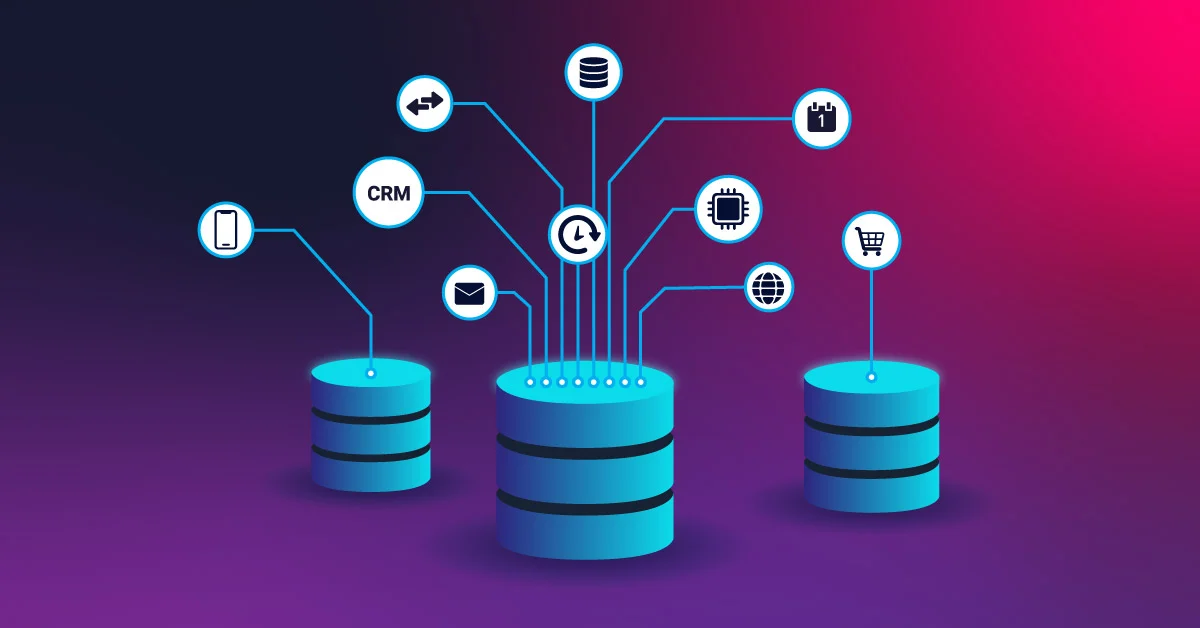
One common challenge is the growing volume of data. Businesses collect information from websites, mobile applications, connected devices, and digital services. Managing security consistently across multiple systems can become complicated.
Another challenge is human error. An employee might accidentally share a sensitive file, grant excessive permissions, or leave an account active after changing roles. Training and well-defined procedures can reduce these mistakes.
Limited resources can also create difficulties, especially for small businesses. They may lack dedicated security teams or the budget needed for advanced monitoring tools. In such situations, prioritizing essential controls such as multifactor authentication, updates, secure backups, and least-privilege access can make a meaningful difference.
Finally, cyber threats constantly change. Organizations must review their security measures regularly instead of assuming that a system protected last year will remain safe today.
How to Build an Effective Database Security Strategy
An effective database security strategy begins with understanding what information an organization holds and how important that information is. Sensitive customer records, financial information, and authentication credentials may require stronger controls than ordinary operational data.
The next step is to identify potential weaknesses through risk assessments, configuration reviews, and authorized security testing. These activities help organizations determine where improvements are most urgently needed.
Businesses should then establish clear security policies covering access permissions, password management, encryption, backups, incident reporting, and software updates. Responsibilities should be assigned so that security tasks are not overlooked.
Regular testing is equally important. Organizations should verify that permissions work as intended, monitoring systems generate useful alerts, and backups can be restored successfully.
An incident response plan should also explain how the organization will respond if a database is compromised. The plan should cover containment, investigation, recovery, communication, and steps to prevent similar incidents.
Database security is not a one-time project. It requires ongoing evaluation, maintenance, and improvement as business requirements and threats change.
The Future of Database Security
Database security will continue to evolve as organizations adopt artificial intelligence, cloud platforms, automation, and increasingly complex digital services.
Automated monitoring tools can help identify unusual access patterns and highlight potential threats more quickly. Artificial intelligence may also support security teams by helping them analyze large volumes of activity data.
At the same time, automation introduces new considerations. Organizations must protect service accounts, API credentials, automated processes, and the permissions granted to intelligent systems.
Privacy-focused technologies and stronger identity management will also remain important. Businesses will need to balance convenient access to information with appropriate restrictions on how data is collected, stored, and used.
Despite these technological developments, fundamental security practices will remain essential. Strong authentication, encryption, regular updates, restricted permissions, reliable backups, and responsible data management will continue to form the foundation of database protection.
Conclusion
Database security is an essential part of protecting information in today’s connected world. As businesses rely more heavily on digital data, the consequences of weak database protection become increasingly serious. Unauthorized access, SQL injection, malware, insider threats, and configuration errors can all put valuable information at risk.
Fortunately, organizations can reduce these risks by adopting practical security measures. Strong authentication, least-privilege access, encryption, regular updates, secure backups, and continuous monitoring provide a solid foundation for protecting databases.
The most effective approach combines reliable technology with responsible human behavior and clear security policies. Businesses should regularly review their systems, train employees, test recovery procedures, and adapt their defenses to emerging threats.
Ultimately, database security is not simply a technical responsibility. It is an ongoing commitment to protecting privacy, maintaining business continuity, and preserving customer trust. Organizations that make database security a priority are better prepared to manage risks and operate confidently in an increasingly digital environment.