Introduction
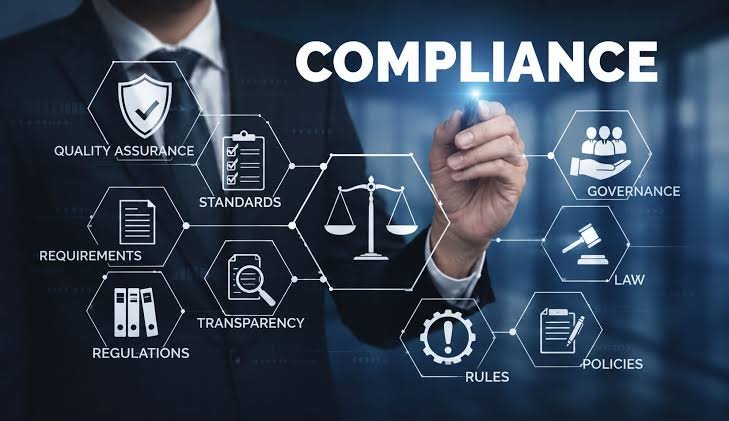
Compliance management is an essential part of running a successful and responsible business. It helps organizations follow applicable laws, regulations, industry standards, and internal policies. A well-planned compliance management system reduces risks and supports ethical business practices. It also helps build trust among employees, customers, business partners, and regulatory authorities. In today’s changing business environment, effective compliance management is important for long-term stability and growth.
1. What Is Compliance Management?
Compliance management is the process of ensuring that a business operates according to the rules and requirements that apply to its activities. These requirements may include government regulations, industry guidelines, contractual obligations, and company policies. The process involves identifying relevant rules, communicating responsibilities, monitoring activities, and correcting problems when they occur. By following a structured approach, organizations can maintain accountability and avoid unnecessary complications.
2. Importance of Compliance Management
Compliance management plays a significant role in protecting businesses from legal, financial, and operational risks. When companies understand their obligations and follow established procedures, they can reduce the likelihood of penalties and disputes. It also promotes consistency in daily operations and encourages employees to make responsible decisions. A strong compliance culture can improve business credibility and support sustainable development.
3. Key Elements of Compliance Management
An effective compliance management program includes several important elements, such as policies, risk assessments, employee training, monitoring, and reporting procedures. Each element supports the organization’s efforts to meet its obligations. Clear policies explain what employees should do, while regular assessments help identify possible weaknesses. When these elements work together, businesses can manage compliance responsibilities more efficiently and respond to issues before they become serious.
4. Compliance Risk Assessment
Compliance risk assessment helps organizations identify activities that could lead to violations of laws, regulations, or internal policies. Businesses can review their processes, examine previous incidents, and evaluate areas where mistakes are more likely to happen. After identifying risks, management can prioritize them according to their potential impact and likelihood. This approach allows organizations to use their resources wisely and develop suitable preventive measures.
5. Role of Compliance Policies and Procedures
Compliance policies and procedures provide employees with clear instructions for carrying out their responsibilities correctly. They establish acceptable practices for areas such as data protection, financial reporting, workplace conduct, and customer information. These documents should be easy to understand, regularly reviewed, and updated when requirements change. Clear guidance helps employees understand expectations and reduces confusion across different departments.
6. Employee Training and Awareness
Employee training is an important part of successful compliance management because workers need to understand the rules that affect their jobs. Training sessions can explain company policies, reporting channels, ethical responsibilities, and common compliance risks. Practical examples and regular refreshers often make the information easier to remember. When employees feel comfortable asking questions and reporting concerns, the organization becomes better prepared to prevent misconduct.
7. Technology in Compliance Management
Technology can make compliance management more organized and efficient. Digital platforms may help businesses track regulatory changes, store documents, schedule training, monitor deadlines, and maintain audit records. Automated alerts can remind responsible teams about upcoming reviews or required actions. However, technology should support rather than replace human judgment, since compliance decisions often require careful interpretation and professional oversight.
8. Monitoring and Internal Audits
Regular monitoring and internal audits help organizations determine whether their compliance procedures are working as intended. Reviews may examine business records, employee practices, access controls, and the effectiveness of existing policies. When weaknesses are discovered, management can investigate the causes and introduce corrective actions. Ongoing monitoring makes compliance a continuous responsibility instead of an activity performed only before an inspection.
9. Data Protection and Information Security
Data protection is an important area of compliance management, particularly for businesses that collect or process personal and confidential information. Organizations should understand the privacy requirements that apply to their operations and establish appropriate safeguards. These may include access restrictions, secure storage, staff awareness, and procedures for responding to data incidents. Responsible information handling helps protect individuals and strengthens confidence in the organization.
10. Challenges in Compliance Management
Businesses may face several challenges when managing compliance responsibilities. Regulations can change frequently, requirements may differ across countries, and employees may struggle to understand complicated policies. Smaller organizations can also experience resource limitations when maintaining compliance programs. To address these challenges, businesses should assign clear responsibilities, provide practical training, review relevant updates, and focus on the risks that matter most to their operations.
11. Benefits of an Effective Compliance Program
A well-designed compliance program offers benefits beyond meeting legal requirements. It can improve operational discipline, strengthen internal controls, reduce avoidable losses, and support better decision-making. Customers and business partners may also feel more confident when an organization demonstrates responsible conduct. Although compliance requires time and investment, a proactive approach can help prevent costly problems and support a more reliable business environment.
12. Best Practices for Compliance Management
Businesses can improve compliance management by establishing clear policies, assigning accountable personnel, conducting regular risk assessments, and maintaining accurate records. They should also review procedures whenever relevant laws, technologies, or business activities change. Encouraging employees to report concerns without fear of retaliation can help identify problems early. Most importantly, leaders should demonstrate ethical behavior and make compliance part of everyday decision-making.
Conclusion
Compliance management helps businesses operate responsibly while meeting their legal, regulatory, and internal requirements. It supports risk reduction, improves accountability, and encourages ethical behavior throughout the organization. By combining effective policies, employee education, regular monitoring, and appropriate technology, companies can build a stronger compliance framework. Consistent improvement is essential because business risks and regulatory expectations continue to evolve. Ultimately, effective compliance management can contribute to trust, resilience, and long-term business success.
Frequently Asked Questions (FAQs)
1. What is the main purpose of compliance management?
The main purpose of compliance management is to help an organization follow applicable laws, regulations, industry standards, and internal policies. It also helps identify risks, prevent violations, and promote responsible business practices.
2. Who is responsible for compliance management in a company?
Responsibility is generally shared across the organization. Senior management establishes expectations, compliance professionals provide guidance and oversight, department managers implement relevant procedures, and employees follow the rules that apply to their roles.
3. How can a business improve its compliance management system?
A business can improve its system by reviewing compliance risks regularly, updating policies, training employees, monitoring performance, maintaining accurate records, and addressing identified problems promptly. Periodic audits can also help measure whether controls are effective.