Introduction
In today’s digital world, almost everything depends on the internet and connected devices. People use online services to communicate, shop, study, manage money, and share information. Businesses also rely on digital networks to store important records, communicate with customers, and manage daily operations. Although these technologies make life easier, they also create opportunities for cybercriminals to steal information, damage systems, and disrupt essential services. This is where secure networks become important.
Secure networks help protect digital information, prevent unauthorized access, and ensure that connected devices communicate safely. They provide a strong foundation for online privacy and reliable business operations. Whether someone is using a home Wi-Fi connection or managing a large corporate network, security should always be a priority. Understanding how secure networks work can help individuals and organizations make better decisions about protecting their digital environments.
What Are Secure Networks?
Secure networks are computer networks designed to protect connected devices, applications, and information from unauthorized access, cyberattacks, and other security threats. They use a combination of security technologies, policies, and monitoring practices to keep data safe while it moves between devices and systems.
A secure network may include computers, smartphones, servers, routers, wireless access points, and cloud-based services. These components communicate with one another, but appropriate security controls help ensure that only authorized users and devices can access sensitive resources.
Network security is not limited to installing antivirus software or setting a Wi-Fi password. It involves several layers of protection, including firewalls, encryption, access controls, software updates, and continuous monitoring. When these measures work together, they reduce the chances of unauthorized access and help limit the damage caused by security incidents.
Why Are Secure Networks Important?
The importance of secure networks continues to grow as more personal and professional activities move online. Every day, networks handle valuable information, including financial records, customer details, business documents, and private communications. Without suitable protection, this information may become vulnerable to theft or misuse.
For individuals, a secure network helps protect personal accounts, online transactions, and private conversations. For businesses, it supports customer trust, protects confidential information, and reduces the risk of expensive operational disruptions.
Cyberattacks can also affect an organization’s reputation. If customer information is exposed because of weak security, people may lose confidence in the company. Recovering from such an incident can require significant time, money, and technical resources.
Secure networks help organizations reduce these risks by creating controlled environments in which information can be accessed and shared more safely. They also support business continuity by making it easier to identify suspicious activity and respond to potential threats before they cause greater damage.
Key Features of a Secure Network
Several important features help make a network more secure and reliable.
1. Strong Authentication
Authentication verifies the identity of a person or device attempting to access a network. Strong passwords are an important starting point, but they should be combined with additional protection whenever possible. Multi-factor authentication requires users to provide another form of verification, making unauthorized access more difficult even if a password is stolen.
2. Data Encryption
Encryption converts readable information into a protected format that cannot easily be understood without the appropriate key. It helps protect information while it travels across networks and, in many cases, while it is stored. Technologies such as HTTPS and properly configured virtual private networks can help protect sensitive communications.
3. Firewalls
Firewalls monitor network traffic and apply rules to determine which connections should be allowed or blocked. They can prevent unwanted traffic from reaching protected systems and help administrators control communication between different parts of a network.
4. Access Control
Access control ensures that users receive only the permissions they need to perform their responsibilities. For example, an employee who works in marketing may not need access to financial records or technical administration systems. Limiting unnecessary permissions reduces the potential impact of compromised accounts.
5. Regular Updates
Operating systems, routers, applications, and other network devices may contain security weaknesses. Manufacturers release updates to fix known vulnerabilities and improve protection. Installing these updates promptly helps reduce the risk of attackers exploiting outdated software.
Common Threats to Network Security
Understanding common network threats is essential for building effective protection. Cybercriminals use different techniques depending on their goals and the weaknesses they discover.
Malware is one of the most common threats. It includes malicious software designed to steal information, damage files, spy on users, or gain unauthorized control of devices. Ransomware is a particularly disruptive type of malware that can encrypt important files and demand payment for their recovery.
Phishing attacks use deceptive emails, messages, or websites to trick people into revealing passwords and other sensitive information. These attacks often appear to come from trusted organizations, making them difficult to recognize without careful attention.
Unauthorized access is another major concern. Weak passwords, exposed services, poorly configured devices, and compromised user accounts can provide attackers with opportunities to enter a network.
Unsecured public Wi-Fi can also create risks, particularly when users access sensitive accounts through connections that lack appropriate protection. In addition, denial-of-service attacks can overwhelm network resources and prevent legitimate users from accessing online services.
These threats demonstrate why network security requires more than a single protective tool. A combination of technical safeguards, user awareness, and ongoing maintenance is necessary to reduce exposure.
How to Build a Secure Network
Building a secure network begins with understanding which devices, systems, and information need protection. Once these assets are identified, individuals and organizations can introduce suitable security measures.
The first step is to secure routers and network equipment. Change default administrator credentials, use strong passwords, and enable modern Wi-Fi security standards such as WPA3 when supported. If WPA3 is unavailable, use an appropriately configured WPA2-AES connection rather than outdated security protocols.
The second step is to control who can access the network. Businesses should assign permissions according to job responsibilities and remove access when employees no longer need it. Separate guest Wi-Fi from internal business systems so visitors cannot easily reach sensitive resources.
Another important measure is to install security updates regularly. Automatic updates can be useful, although organizations should test critical updates where necessary before deploying them across important systems.
Network administrators should also use firewalls, endpoint protection, and reliable backup procedures. Backups should be protected against unauthorized modification and tested regularly to confirm that important information can be restored.
Finally, monitoring network activity helps identify unusual behavior. Repeated failed login attempts, unexpected traffic patterns, and unfamiliar devices may indicate a problem that deserves investigation. A clear incident response plan can help users and organizations act quickly when something goes wrong.
The Role of Secure Networks in Business
For modern businesses, secure networks are essential to daily operations. Employees often work with customer databases, financial applications, cloud platforms, and internal communication systems. If these resources are not properly protected, an attacker may gain access to valuable information or interrupt important services.
Secure networks allow organizations to manage access more effectively, protect confidential documents, and support safer communication between offices and remote workers. They also help businesses maintain more consistent operations by reducing exposure to preventable security incidents.
Small businesses need network security just as much as large companies. Although they may have fewer resources, they can still benefit from strong passwords, multi-factor authentication, regular updates, secure backups, and basic network monitoring.
Organizations should also train employees to recognize suspicious messages and report unusual activity. Human awareness is an important part of cybersecurity because even well-designed technical systems can be undermined by stolen credentials or careless security practices.
A well-protected network does not eliminate every risk, but it helps businesses prepare for threats and recover more effectively when incidents occur.
Secure Networks and Remote Work
Remote work has changed how employees connect to company systems. People may work from home, shared offices, hotels, or other locations where network security varies considerably. This flexibility creates new challenges for organizations that need to protect business information outside traditional office environments.
Secure remote access should rely on strong authentication, encrypted connections, and appropriate device security. Organizations may use virtual private networks or zero-trust access solutions, depending on their requirements. These technologies can help protect connections and restrict access to approved applications and resources.
Employees should keep their devices updated, avoid sharing work accounts, and use trusted internet connections whenever possible. Public Wi-Fi users should be especially careful with unexpected login pages and suspicious network names.
Businesses should also establish clear policies for handling confidential information on personal devices. With the right combination of technology and responsible behavior, organizations can support flexible working arrangements without ignoring important security concerns.
The Future of Secure Networks
Network security continues to evolve as new technologies and cyber threats emerge. Artificial intelligence is increasingly being used to analyze network activity, identify unusual patterns, and help security teams investigate potential attacks. These tools can improve detection, although they still require proper configuration and human oversight.
Cloud computing and the growing number of connected devices are also changing how networks are designed and protected. Organizations must consider security across local systems, cloud platforms, mobile devices, and connected equipment rather than focusing on a single physical location.
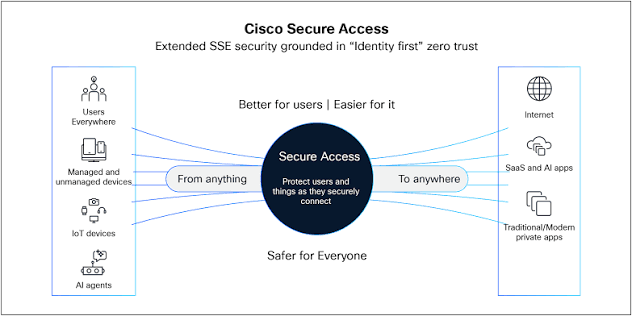
Zero-trust security is another important approach. Instead of automatically trusting users or devices because they are already inside a network, zero-trust principles require access to be verified according to identity, device condition, permissions, and other relevant factors.
At the same time, privacy regulations and customer expectations are encouraging organizations to handle information more responsibly. Businesses that regularly review their security practices will be better positioned to adapt to these changes.
The future of secure networks will depend on combining modern technology with strong policies, skilled professionals, and a continuing commitment to improvement.
Conclusion
Secure networks are a fundamental part of a safer digital environment. They protect personal information, support business operations, and help prevent unauthorized access to valuable systems. As online services and connected devices become increasingly important, the need for reliable network security will continue to grow.
Building a secure network requires several measures working together, including strong authentication, encryption, firewalls, access controls, regular updates, and continuous monitoring. Users must also understand common cyber threats and follow responsible online practices.
No network can be guaranteed completely free from risk. However, taking practical security measures can significantly reduce vulnerabilities and make it easier to detect and respond to potential attacks. By treating network security as an ongoing responsibility rather than a one-time task, individuals and organizations can protect their information and build greater confidence in the digital world.