Introduction
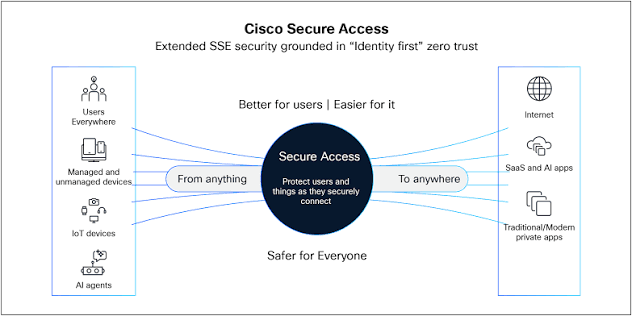
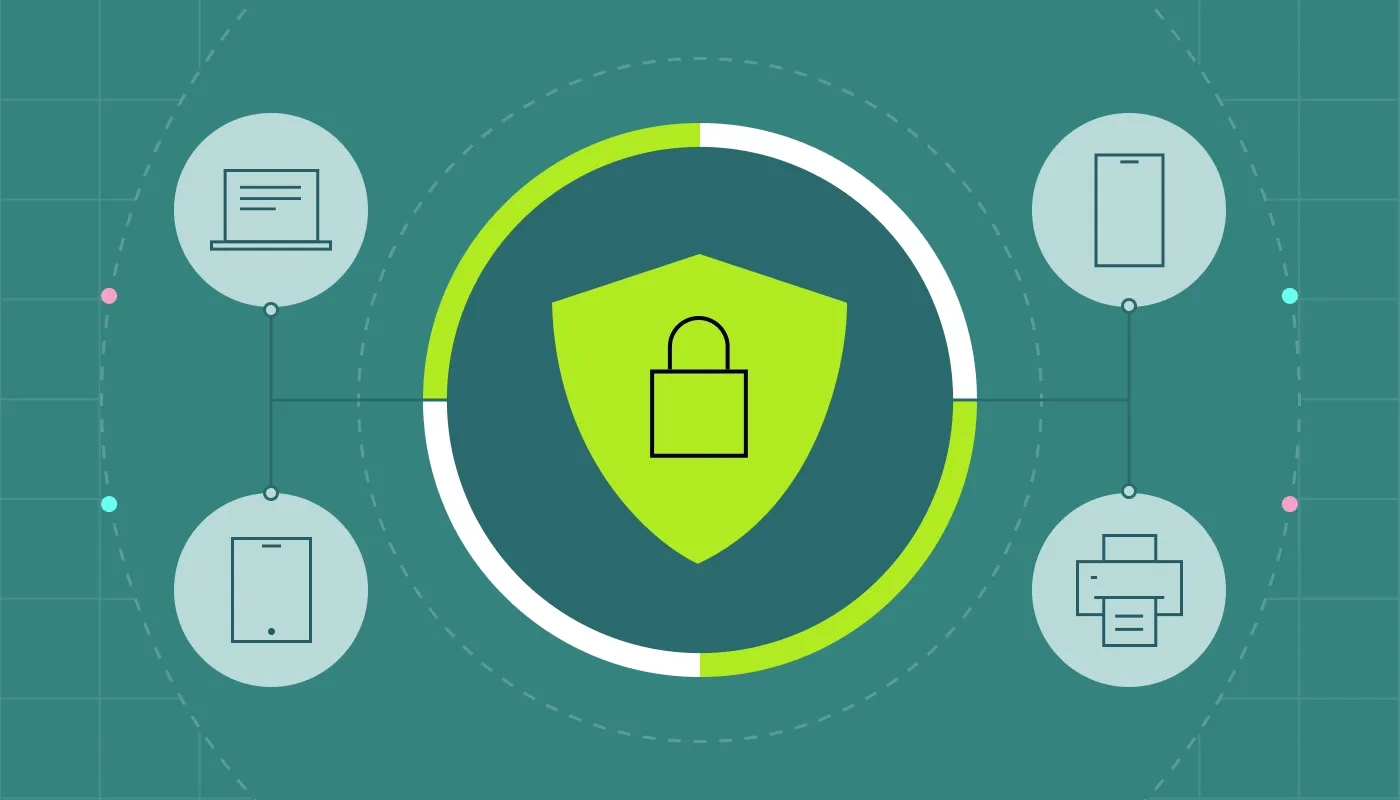
Endpoint security is an essential part of modern cybersecurity that helps protect devices from digital threats. It focuses on securing computers, laptops, smartphones, servers, and other devices connected to a network. As businesses increasingly depend on digital technology, protecting these devices has become more important than ever. Cybercriminals often target endpoints to steal sensitive information, spread malware, or gain unauthorized access. Effective endpoint security helps individuals and organizations reduce these risks and maintain a safer digital environment.
1. What Is Endpoint Security?
Endpoint security refers to the methods and technologies used to protect devices connected to a network from cyber threats. These devices, known as endpoints, can include desktop computers, laptops, mobile phones, and servers. The primary goal is to prevent unauthorized access, detect suspicious activity, and stop harmful software. Endpoint security solutions help organizations manage device protection from a centralized platform. This approach strengthens overall cybersecurity and helps keep important data safe.
2. Importance of Endpoint Security
Endpoint security plays a vital role in protecting personal and business information from cyberattacks. A single compromised device can provide attackers with access to valuable data or other systems. Security measures help reduce the chances of data theft, service disruption, and financial loss. They also support business continuity by identifying and addressing threats before they spread. For organizations of all sizes, endpoint protection is an important part of a reliable security strategy.
3. Common Endpoint Security Threats
Endpoints face various threats, including viruses, ransomware, spyware, phishing attacks, and trojans. These threats may enter a device through malicious downloads, suspicious email attachments, or unsafe websites. Some attackers exploit outdated software or weak passwords to gain unauthorized access. Once a device is compromised, sensitive information may be stolen, damaged, or held for ransom. Understanding these risks helps users choose suitable security measures and develop safer online habits.
4. Endpoint Protection Software
Endpoint protection software is designed to identify, block, and remove malicious activities on connected devices. Many solutions combine antivirus capabilities, behavioral analysis, firewalls, and other security features. They can scan files, monitor processes, and alert users when suspicious behavior occurs. Advanced tools may also use artificial intelligence to identify unusual patterns that indicate potential threats. Keeping protection software updated helps devices respond more effectively to emerging cybersecurity risks.
5. Antivirus and Anti-Malware Protection
Antivirus and anti-malware tools are common components of endpoint security systems. They examine files and programs to identify known malicious software and suspicious behavior. When a threat is detected, the software may block, quarantine, or remove the harmful file. Regular updates help these tools recognize newly discovered threats and improve their detection capabilities. Although antivirus protection is valuable, it works best when combined with additional security measures.
6. Endpoint Detection and Response (EDR)
Endpoint Detection and Response (EDR) is an advanced security approach that continuously monitors endpoint activity. It collects information about processes, file changes, network connections, and other potentially suspicious events. Security teams use this information to investigate threats and understand how an attack occurred. EDR tools can help isolate compromised devices and support faster incident response. This technology is especially useful for organizations that need deeper visibility into their digital environments.
7. Extended Detection and Response (XDR)
Extended Detection and Response (XDR) expands threat detection beyond individual endpoints. It combines security information from sources such as endpoints, networks, email systems, and cloud environments. By connecting these signals, XDR can help security teams identify attacks that might otherwise go unnoticed. It also provides a broader view of suspicious activity across different parts of an organization. This integrated approach can improve threat investigation and make security operations more efficient.
8. Endpoint Security for Businesses
Businesses use endpoint security to protect employee devices, customer information, and important company systems. Modern workplaces often include remote employees, mobile devices, and cloud-based applications. Each connection creates potential opportunities for cybercriminals if appropriate safeguards are missing. Organizations can reduce these risks through centralized security management, access controls, and regular monitoring. A strong endpoint security strategy helps businesses protect their operations and maintain customer confidence.
9. Endpoint Security and Remote Work
Remote work has increased the number of devices accessing company resources from different locations. Employees may connect through home networks, public Wi-Fi, or personal devices. These environments can introduce additional security risks if devices are not properly protected. Endpoint security helps enforce protection policies, detect suspicious activity, and support secure remote access. Organizations should also use multifactor authentication, secure connections, and regular employee security training.
10. Best Practices for Endpoint Security
Following cybersecurity best practices can significantly improve endpoint protection. Users should install software updates, create strong passwords, and enable multifactor authentication wherever possible. Organizations should limit administrative privileges and remove access that is no longer necessary. Regular backups, security awareness training, and continuous monitoring can further reduce potential damage. Reviewing security policies frequently helps ensure that endpoint defenses remain suitable for changing threats.
11. Challenges in Endpoint Security
Managing endpoint security can become difficult when an organization uses hundreds or thousands of devices. Different operating systems, outdated applications, and unmanaged personal devices can create security gaps. Security teams may also struggle with large numbers of alerts and limited resources. Poorly configured tools can leave devices exposed or generate unnecessary warnings. Organizations can address these challenges through automation, clear policies, regular audits, and appropriate security training.
12. Future of Endpoint Security
Endpoint security continues to evolve as cyberattacks become more sophisticated and digital workplaces expand. Artificial intelligence and machine learning are increasingly used to analyze activity and identify suspicious patterns. Cloud-based security platforms can help organizations manage protection across geographically distributed devices. Zero-trust security principles also encourage continuous verification instead of automatically trusting connected devices. In the future, effective endpoint security will depend on combining advanced technology with informed users and strong security practices.
Conclusion
Endpoint security is a fundamental element of protecting devices, networks, and sensitive information from cyber threats. It helps prevent malware infections, detect suspicious activity, and reduce the impact of security incidents. Businesses can strengthen their defenses by using suitable security tools and following established cybersecurity practices. Regular updates, employee awareness, access controls, and continuous monitoring are essential for maintaining protection. By investing in endpoint security, organizations and individuals can build a safer and more resilient digital environment.
Frequently Asked Questions (FAQs)
1. What is endpoint security in simple words?
Endpoint security is the protection of devices such as computers, laptops, smartphones, and servers against cyber threats. It uses security software and policies to prevent attacks, detect suspicious behavior, and protect sensitive information.
2. What are the main benefits of endpoint security?
The main benefits include improved protection against malware, reduced risk of data breaches, better visibility into device activity, and faster responses to cyberattacks. It can also help organizations maintain business operations and protect customer information.
3. What is the difference between antivirus and endpoint security?
Antivirus software mainly focuses on detecting and removing malicious software. Endpoint security is a broader approach that may include antivirus, firewalls, device management, threat detection, access controls, and incident response tools to provide more comprehensive protection.