Cybersecurity incidents can happen to any organization, regardless of its size, industry, or level of technical maturity. A compromised account, ransomware infection, data breach, malware attack, or suspicious network activity can quickly become a serious business problem if it is not handled correctly.
This is where Incident Response becomes essential.
Incident Response is the organized process an organization follows to identify, investigate, contain, and recover from cybersecurity incidents. Instead of reacting randomly when something goes wrong, IT teams can follow a structured approach that helps reduce damage, restore systems, and prevent similar incidents from happening again.
For modern IT professionals, having a reliable Incident Response strategy is no longer optional. It is an important part of maintaining secure, resilient, and dependable IT infrastructure.
What Is Incident Response?
Incident Response is a coordinated approach to managing cybersecurity events that may threaten an organization’s systems, applications, networks, or data.
An incident could involve unauthorized access, malware, phishing, ransomware, stolen credentials, suspicious user activity, or an exposed cloud resource. The purpose of Incident Response is to determine what happened, understand its impact, stop the threat, and return affected systems to normal operation.
A well-designed response process also focuses on learning from the incident. After the immediate threat has been addressed, security teams can analyze the root cause and improve their defenses.
In simple terms, Incident Response helps answer five important questions:
- What happened?
- How did it happen?
- Which systems are affected?
- How can the threat be contained?
- What can be done to prevent a similar incident?
Why Incident Response Matters
Cybersecurity incidents can develop quickly. A compromised account that initially appears harmless may give an attacker access to additional systems. Malware on one computer can potentially spread across a network. A vulnerable cloud application may expose sensitive information.
Without a prepared response process, teams may lose valuable time trying to understand what is happening.
Incident Response gives IT professionals a framework for making informed decisions during stressful situations. It helps security teams prioritize critical systems, communicate with the appropriate stakeholders, preserve relevant evidence, and coordinate recovery activities.
A strong response capability can also help organizations reduce operational disruption and improve their overall security posture.
Common Types of Security Incidents
IT teams may encounter many different types of security incidents. Some of the most common include:
Malware Attacks
Malware can infect computers, servers, applications, and other devices. Depending on the type of malware, an attacker may steal information, damage files, monitor activity, or establish unauthorized access.
Ransomware
Ransomware can prevent users from accessing systems or files and may create significant operational challenges. A prepared Incident Response process can help organizations identify affected systems, isolate threats, and coordinate recovery.
Phishing Attacks
Phishing remains a common method for obtaining credentials or convincing users to perform unsafe actions. Security teams may need to investigate suspicious emails, compromised accounts, and unusual login activity.
Unauthorized Access
Unauthorized access can occur when credentials are stolen, accounts are misconfigured, or vulnerabilities are exploited. Investigating access logs and authentication activity can help determine what occurred.
Data Breaches
A data breach may expose confidential or sensitive information. Incident Response teams can investigate the source of the exposure, determine affected resources, and coordinate appropriate containment and recovery activities.
The Incident Response Lifecycle
A successful Incident Response program usually follows several stages. Although frameworks can vary, the overall process commonly includes preparation, identification, containment, eradication, recovery, and lessons learned.
1. Preparation
Preparation is the foundation of Incident Response.
Organizations should establish policies, procedures, communication plans, monitoring capabilities, backup strategies, and clearly defined responsibilities before an incident occurs.
IT professionals should also identify critical assets and determine which systems require the highest level of protection.
Regular security assessments, employee awareness training, vulnerability management, and response exercises can improve preparedness.
2. Identification
The next step is determining whether suspicious activity represents a genuine security incident.
Security teams may receive alerts from endpoint security tools, firewalls, cloud platforms, identity systems, security information and event management platforms, or employees.
During this stage, analysts collect relevant information and evaluate the alert. The goal is to understand what happened and determine the potential scope of the incident.
3. Containment
Once an incident has been confirmed, containment becomes a priority.
Depending on the situation, security professionals may isolate affected devices, disable compromised accounts, block malicious connections, restrict network access, or temporarily shut down affected services.
Containment should be carefully planned because aggressive actions can sometimes interrupt legitimate business operations.
4. Eradication
After containing the threat, the team works to remove its underlying cause.
This may involve deleting malware, removing unauthorized accounts, closing exploited vulnerabilities, resetting credentials, patching systems, or eliminating persistence mechanisms used by attackers.
The objective is to ensure that the threat no longer has a path back into the environment.
5. Recovery
Recovery involves returning affected systems to normal operation.
IT teams may restore systems from clean backups, rebuild compromised machines, monitor recovered services, and gradually return applications to production.
Recovery should be performed carefully. Bringing a compromised system back online before confirming that the threat has been removed could allow the attacker to regain access.
6. Lessons Learned
The final stage is often overlooked, but it can provide valuable insight.
After an incident, teams should review what happened, how the attack was detected, how quickly it was contained, and where improvements are needed.
The findings can be used to update security policies, improve monitoring, strengthen access controls, and refine the organization’s Incident Response plan.
Benefits of Professional Incident Response Services
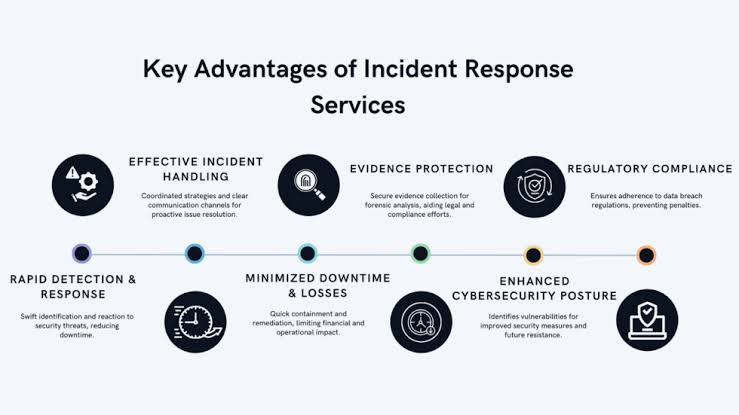
Managing a serious security incident internally can be challenging, particularly when an organization does not have dedicated security personnel available around the clock.
Professional Incident Response services can provide specialized expertise when an organization needs additional support.
Experienced security professionals can assist with investigation, threat analysis, containment, digital forensics, recovery planning, and post-incident recommendations.
A professional service can also help IT teams establish response procedures before an incident occurs. This proactive approach allows organizations to understand their responsibilities and available resources in advance.
For businesses with complex environments, external Incident Response support can complement internal IT and security teams without requiring every organization to build a large specialized response department.
What to Look for in an Incident Response Service
Choosing an Incident Response provider requires careful consideration. IT professionals should evaluate whether the service matches their organization’s infrastructure, risk profile, and operational requirements.
Important factors may include:
Technical expertise: The provider should have experience investigating different types of cybersecurity incidents.
Availability: Security incidents can happen outside normal business hours, so organizations should understand the provider’s availability and response model.
Investigation capabilities: Effective investigation requires appropriate tools and methods for analyzing systems, logs, endpoints, and other relevant evidence.
Communication: Clear communication is essential during an incident. The provider should explain findings and recommended actions in a way that technical and business stakeholders can understand.
Recovery support: Incident Response should not stop when the immediate threat is contained. Recovery and remediation are also important parts of the process.
Post-incident analysis: A good service should help organizations understand why the incident occurred and how future risks can be reduced.
How IT Teams Can Improve Incident Readiness
Organizations do not need to wait for an incident to improve their security posture.
Start by documenting a clear Incident Response plan. Define who is responsible for technical investigation, communication, system recovery, and decision-making.
Next, identify critical systems and data. Understanding what needs to be protected most can help teams prioritize their response during an emergency.
Organizations should also maintain reliable backups, apply security updates, monitor important systems, review access permissions, and use strong authentication controls.
Regular tabletop exercises can provide another useful way to test response procedures. Teams can simulate scenarios such as ransomware, compromised credentials, or unauthorized access and evaluate how effectively they respond.
Incident Response and Cloud Security
Cloud environments introduce additional considerations for Incident Response.
Modern organizations may use multiple cloud services, applications, identity providers, and distributed infrastructure. A security incident can therefore involve resources that are not located within a traditional corporate network.
IT professionals should understand cloud logging, identity activity, access permissions, API activity, and configuration changes.
A cloud-focused Incident Response strategy should clearly identify which responsibilities belong to the organization and which are handled by the cloud service provider.
Visibility is particularly important. Without sufficient logging and monitoring, determining what happened during a cloud security incident can become significantly more difficult.
Building a Stronger Security Culture
Technology alone cannot eliminate every security risk.
Employees, administrators, developers, and security professionals all play a role in protecting organizational systems. Security awareness training can help employees recognize suspicious emails, unusual login requests, malicious links, and other common threats.
At the same time, IT teams should encourage employees to report suspicious activity quickly rather than ignoring it. Early reporting can give security professionals more time to investigate and contain a potential incident.
A strong security culture combines technology, processes, training, and communication.
Frequently Asked Questions About Incident Response
1. What is Incident Response?
Incident Response is the structured process used by an organization to detect, investigate, contain, and recover from cybersecurity incidents. It helps IT teams respond quickly and reduce the potential impact of threats such as malware, ransomware, phishing, and unauthorized access.
2. Why is Incident Response important for businesses?
Incident Response helps businesses prepare for cybersecurity incidents before they occur. A well-defined response process can help reduce downtime, limit potential damage, protect important data, and support a faster recovery.
3. What are the main stages of Incident Response?
The main stages generally include preparation, identification, containment, eradication, recovery, and lessons learned. Together, these stages provide a structured approach for managing security incidents from detection through recovery.
4. What are common examples of security incidents?
Common security incidents include ransomware attacks, malware infections, phishing attacks, compromised accounts, unauthorized access, data breaches, suspicious network activity, and exploitation of software vulnerabilities.
5. When should a company use an Incident Response service?
A company may use an Incident Response service when it experiences a serious cybersecurity incident or needs specialized security expertise. Professional support can also be useful for developing response plans, conducting investigations, and improving incident readiness.
6. How does Incident Response help after a cyberattack?
Incident Response helps organizations identify the source and scope of an attack, contain affected systems, remove malicious activity, restore normal operations, and identify security improvements that can reduce the likelihood of similar incidents in the future.
7. Can Incident Response help with cloud security incidents?
Yes. Incident Response can be used for incidents involving cloud accounts, applications, storage, virtual infrastructure, identity systems, and other cloud resources. Cloud-focused response requires appropriate logging, monitoring, access analysis, and coordination with cloud service providers.
8. How can an organization prepare for an Incident Response?
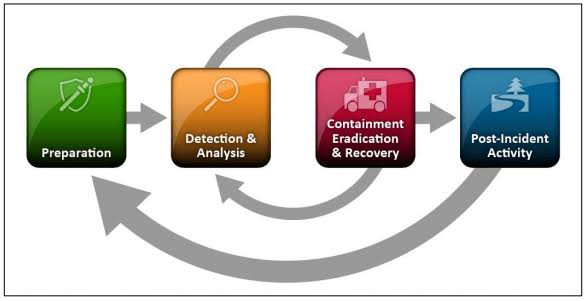
Organizations can prepare by creating an Incident Response plan, identifying critical assets, maintaining reliable backups, monitoring important systems, strengthening access controls, training employees, and regularly testing response procedures through security exercises.
Final Thoughts
Incident Response is a critical component of modern cybersecurity. Security incidents can happen unexpectedly, but organizations can prepare for them by developing clear procedures, improving visibility, protecting critical systems, and ensuring that the right expertise is available when it is needed.
For IT professionals, the goal is not simply to react after something goes wrong. Effective Incident Response is about preparation, rapid investigation, thoughtful containment, secure recovery, and continuous improvement.
Organizations that do not have sufficient internal resources can consider working with a professional Incident Response service. The right provider can support internal teams during investigations and help develop a more structured approach to future security incidents.
Ultimately, a strong Incident Response capability can help organizations become more prepared, resilient, and confident when facing today’s evolving cybersecurity challenges.